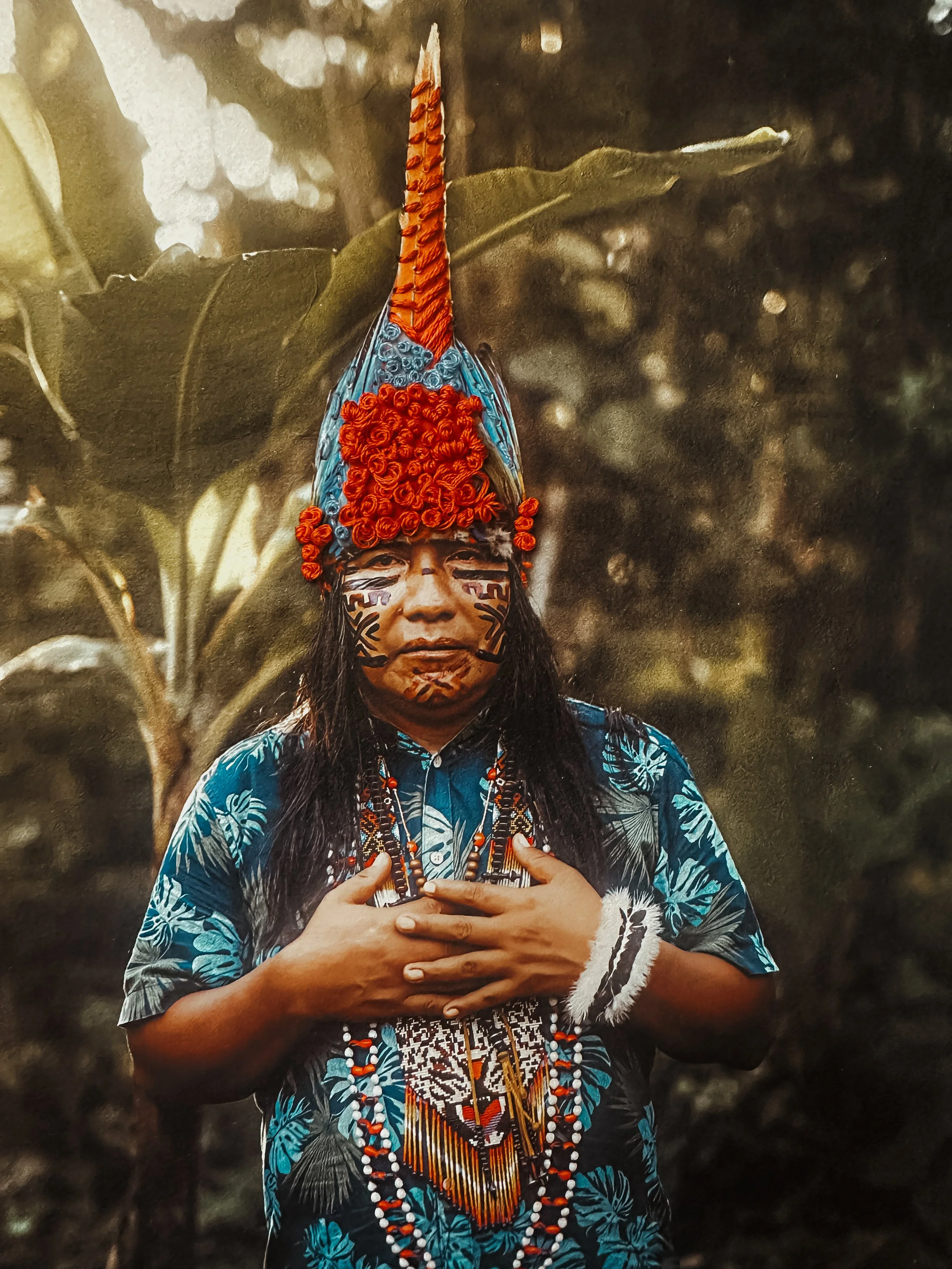
Manari Ushigua, Sapara Nation, Ecuador, 2024
"We Sapara are connected with the trees, and through that connection, we care for each other." — Manari Ushigua, Spiritual Leader of the Sapara Nation
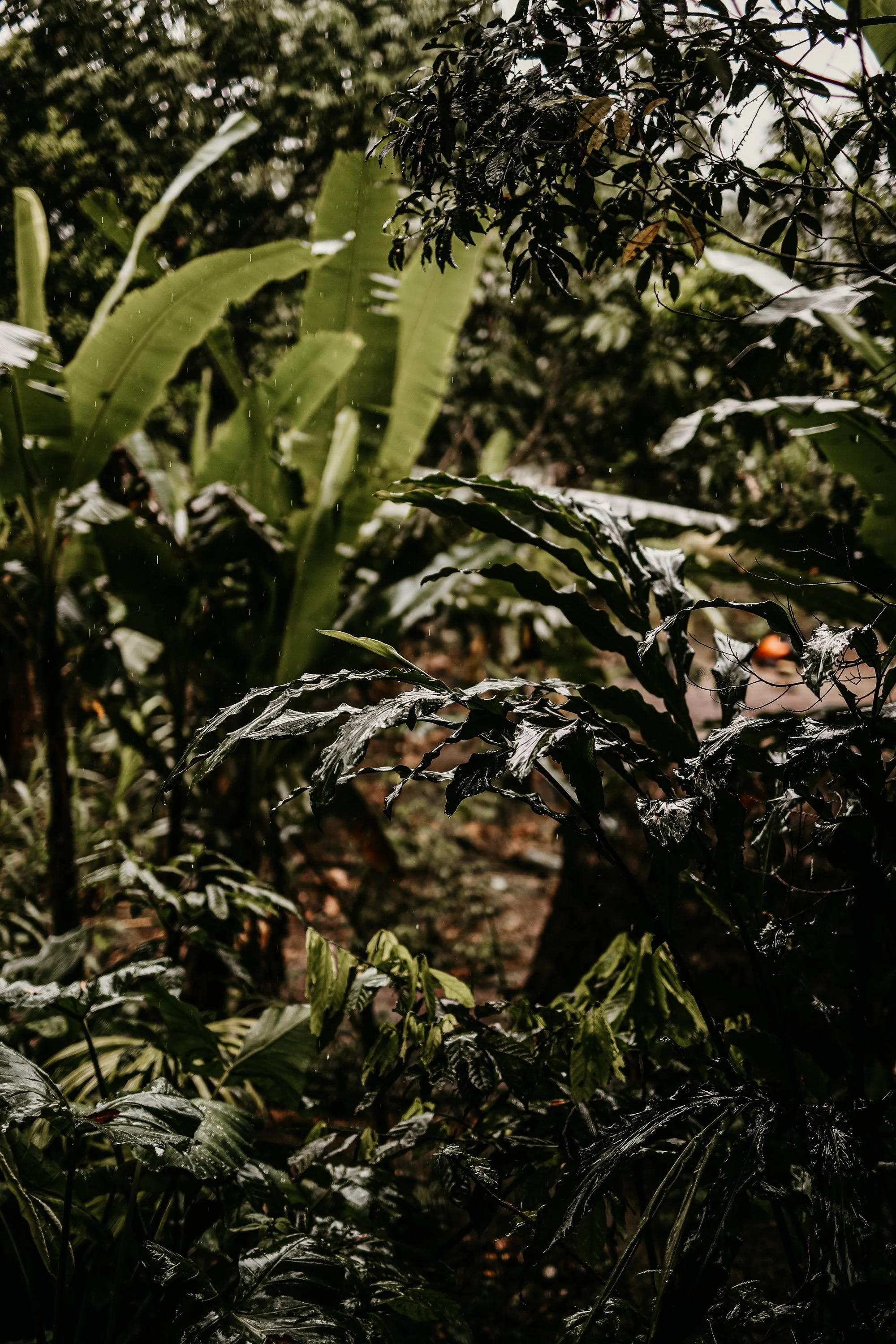
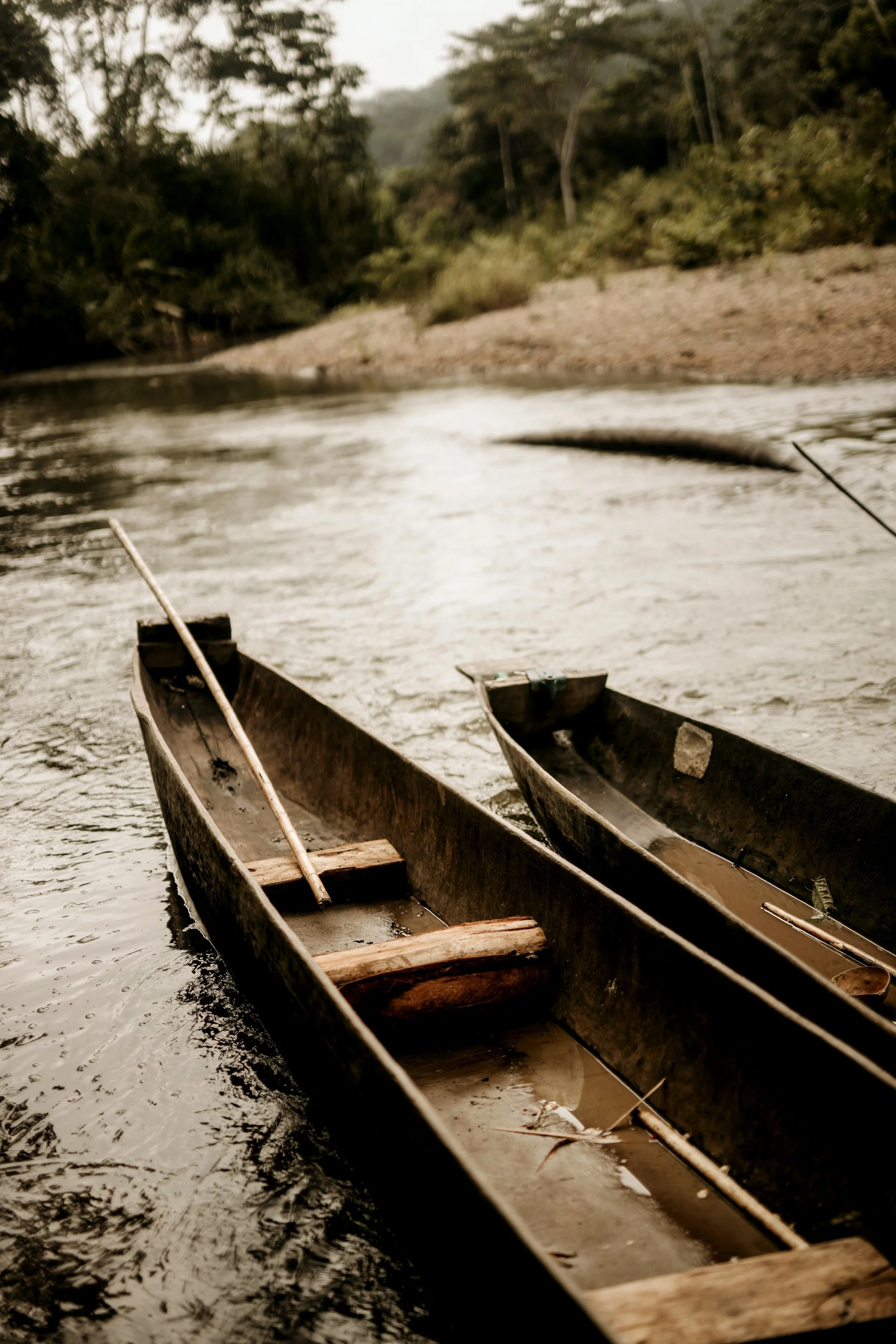
NAKU means forest.
Not a place you enter. A living world that holds you. Naku is constituted by spirit beings — human and other than human. Animals, rivers, trees, rocks, wind. All of them carrying thought. All of them in relationship.
The Sapara people of the Ecuadorian Amazon have lived inside this relationship for thousands of years. Once numbering over 20,000, fewer than 700 remain today. Only three elders still speak their language fluently — a language declared by UNESCO a Masterpiece of the Oral and Intangible Heritage of Humanity in 2001.
What is being lost is not only a language. It is an entire way of knowing the world.
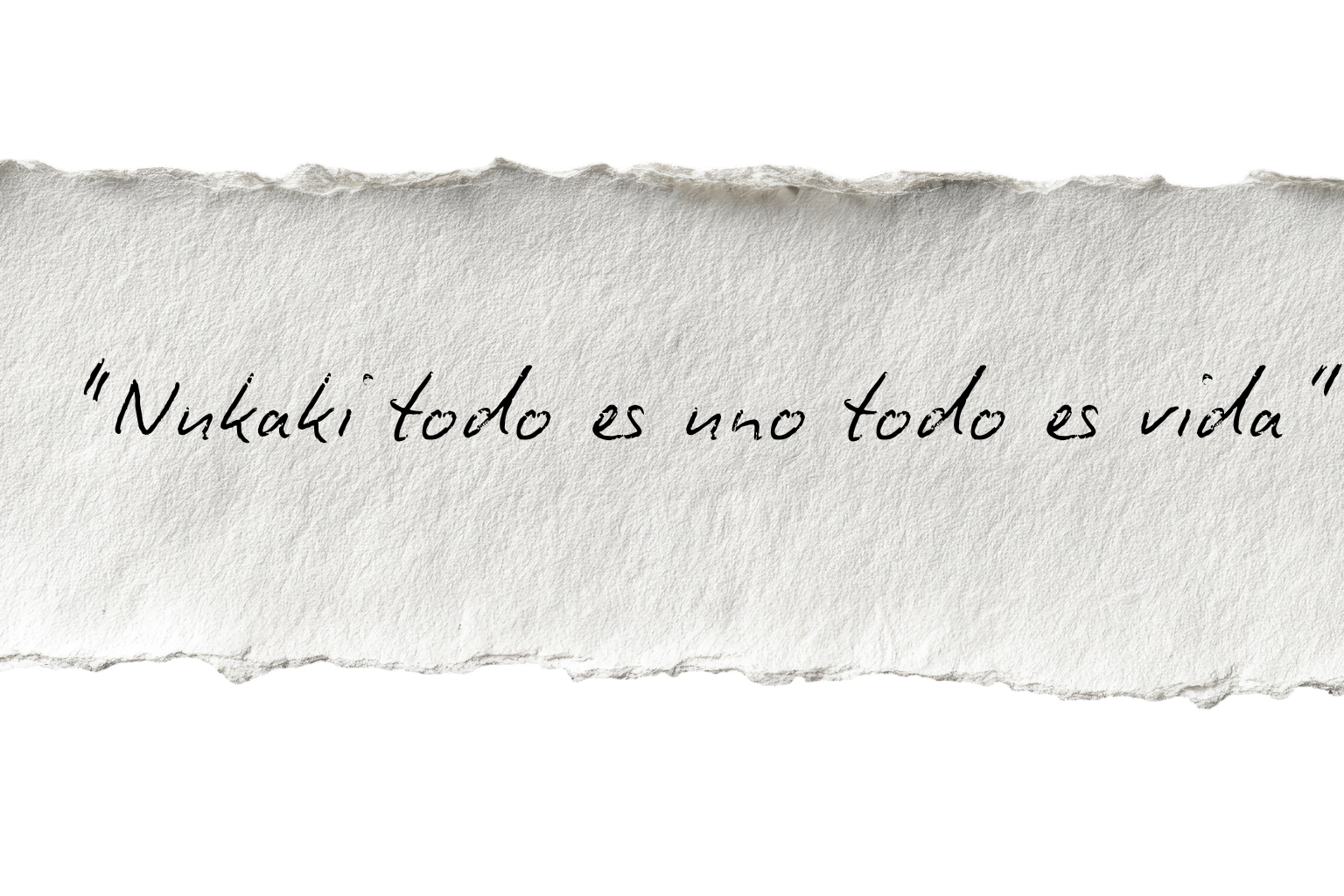
NUKAKI means one.
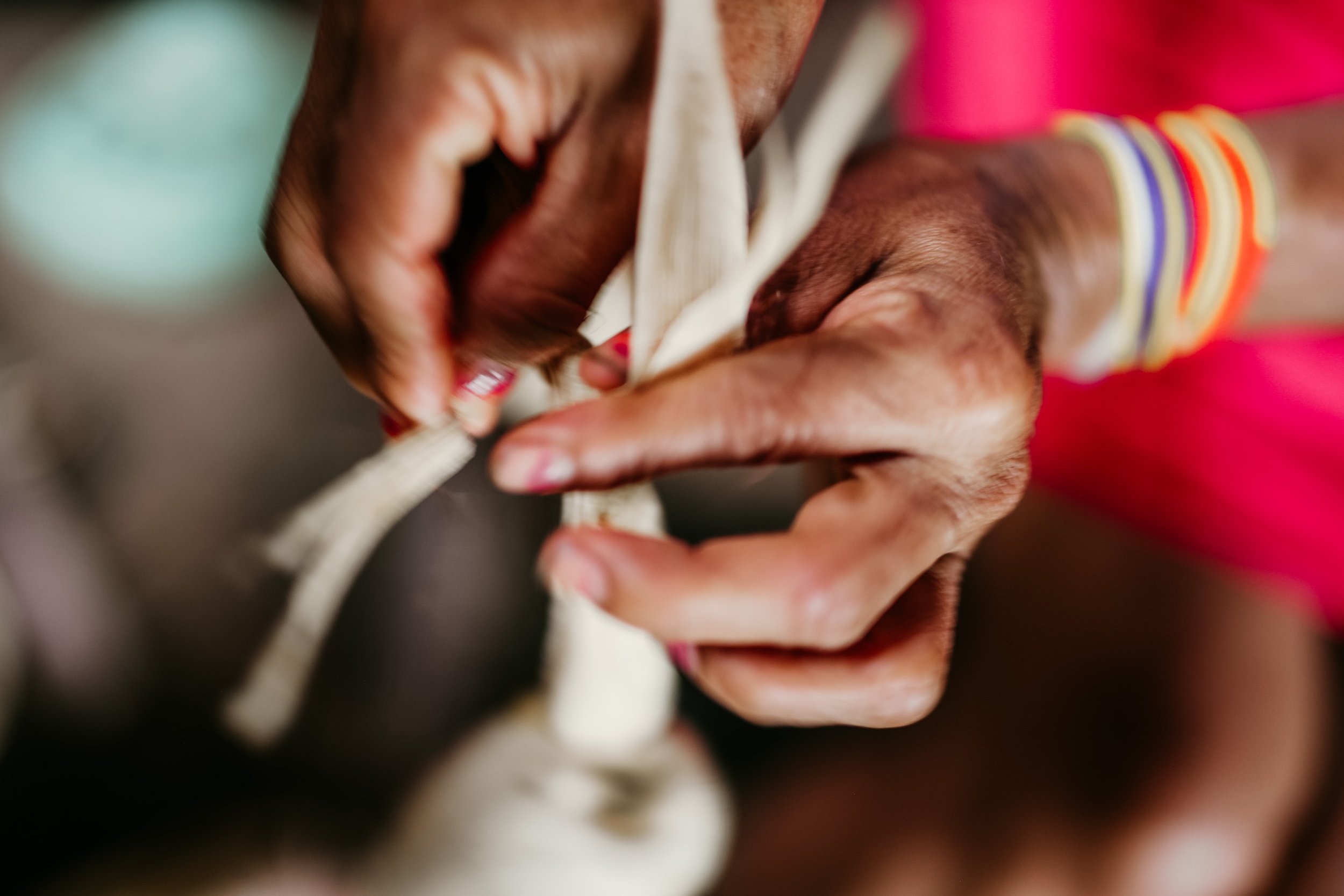
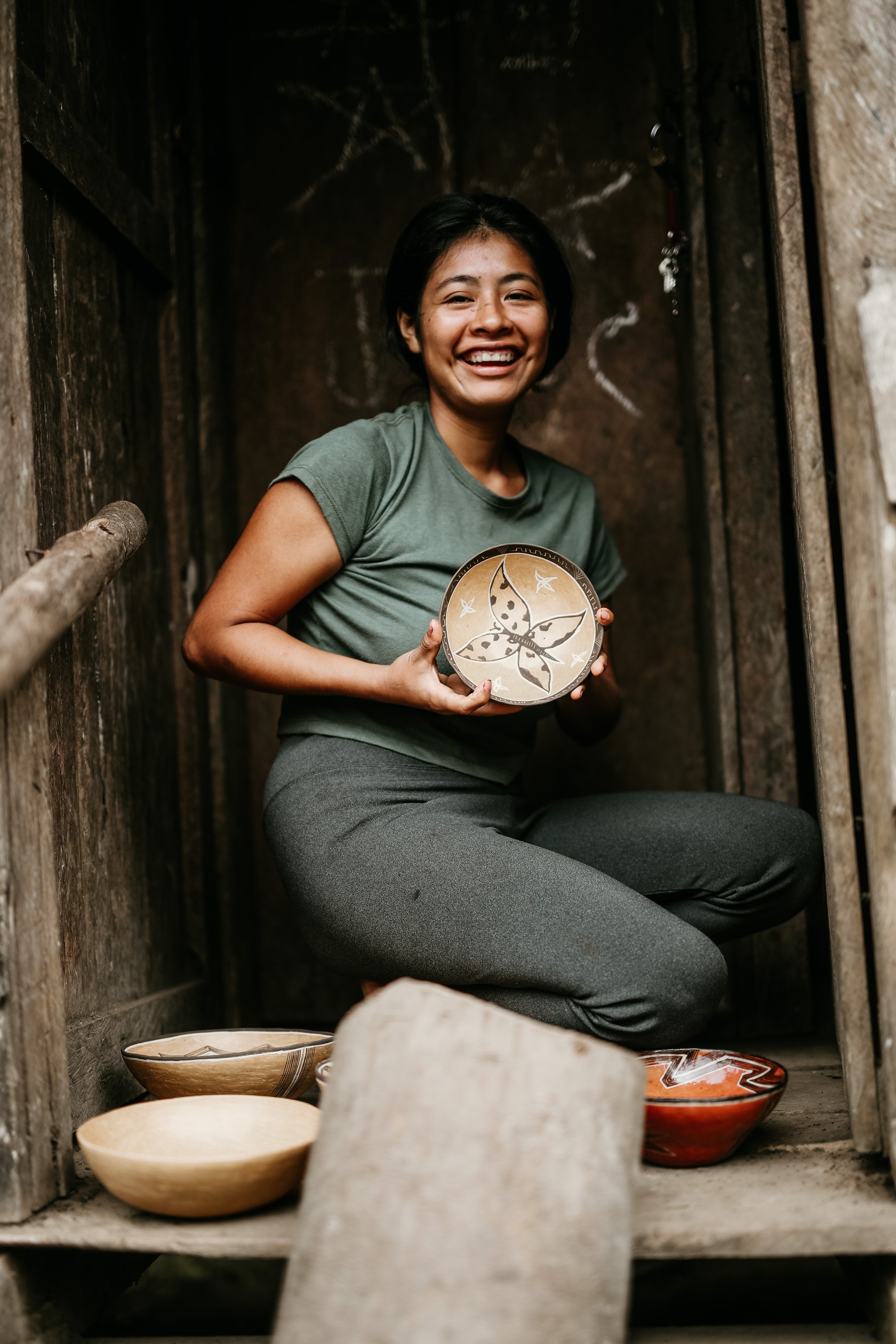
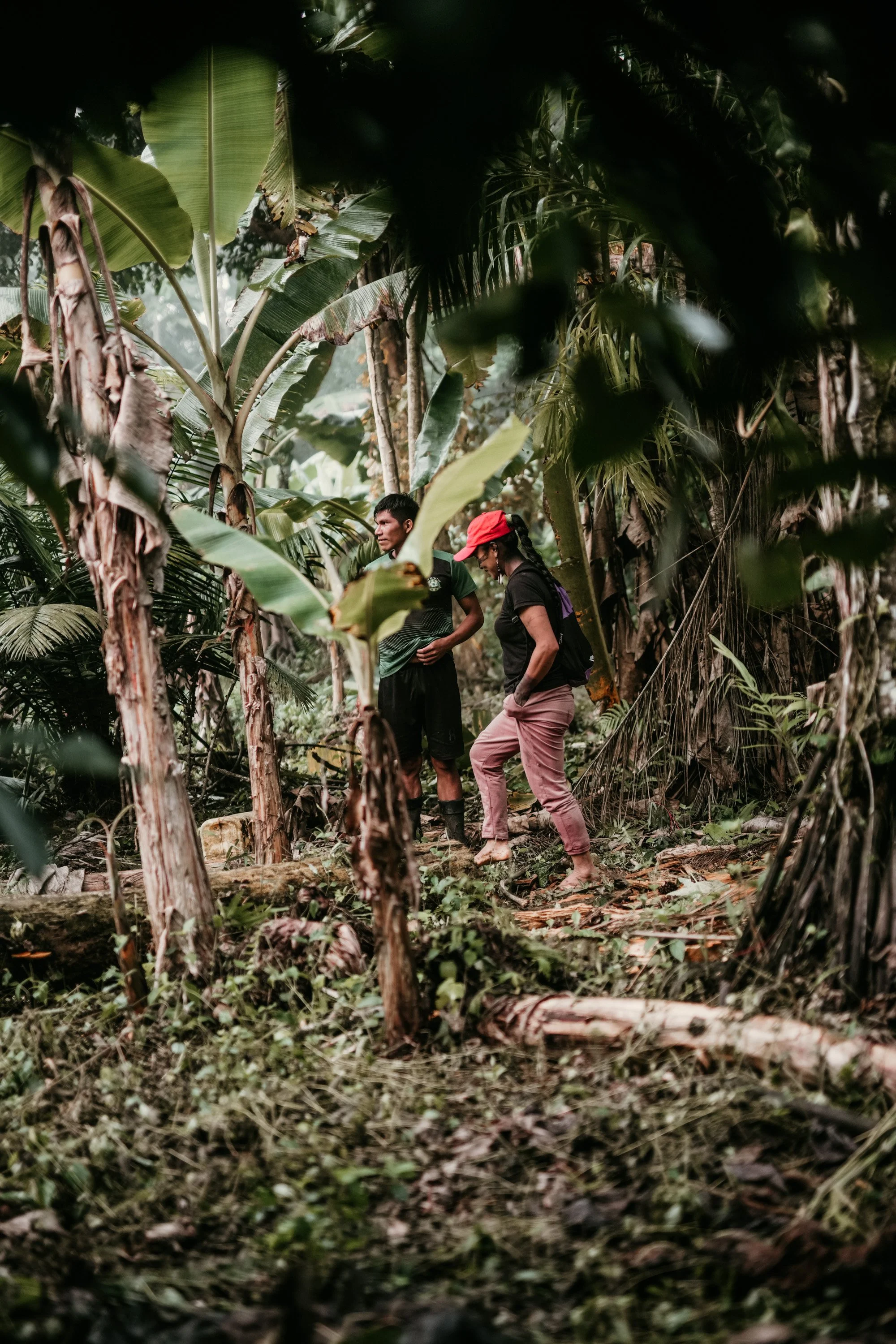
This work was made from inside that understanding. Not as a visitor. Not as a documentarian arriving with a camera and leaving with images. But as a witness in relationship — through years of collaboration with the Sapara Nation and the Naku Foundation, through ceremony, through shared dreaming, through the slow and sacred work of trust.
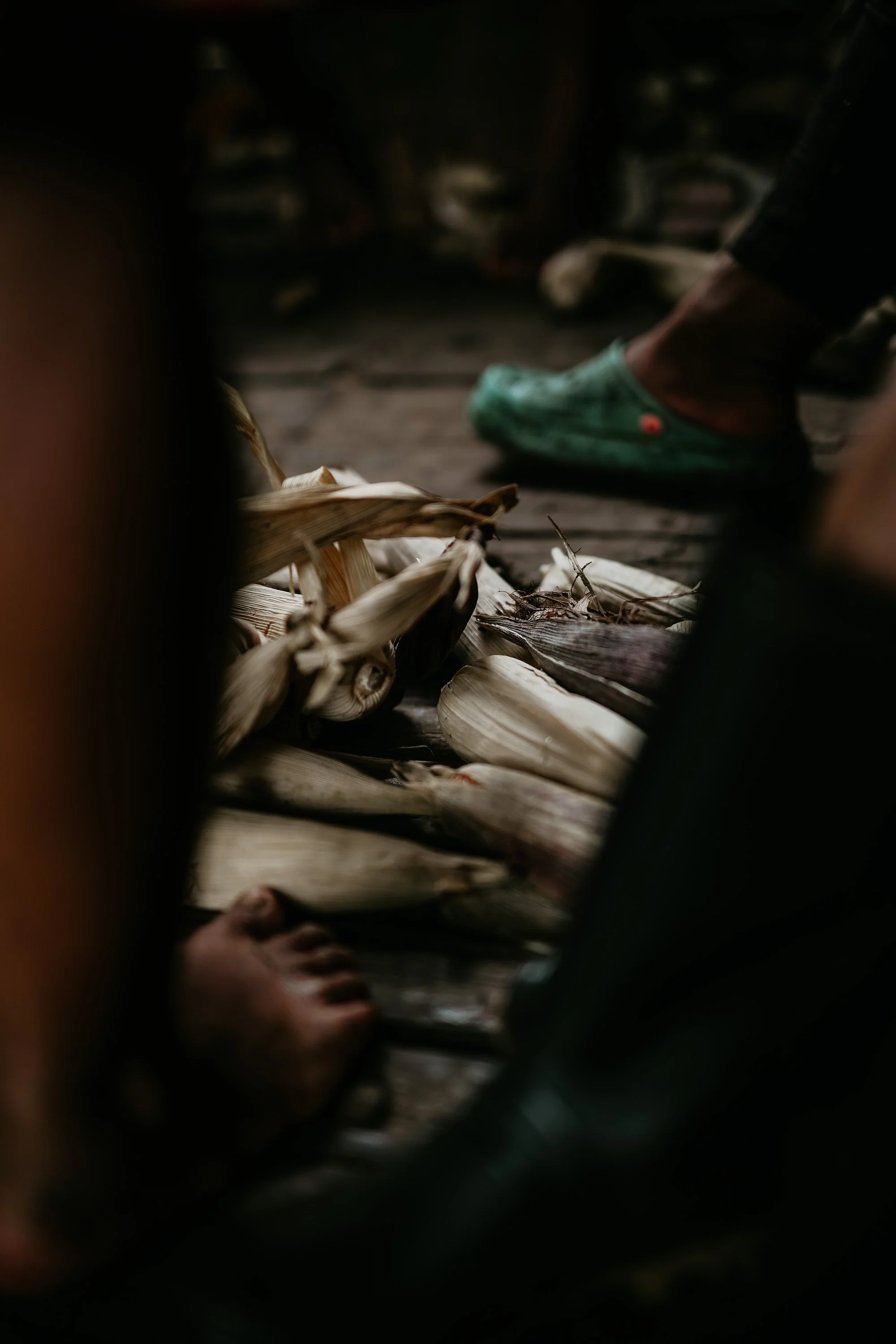
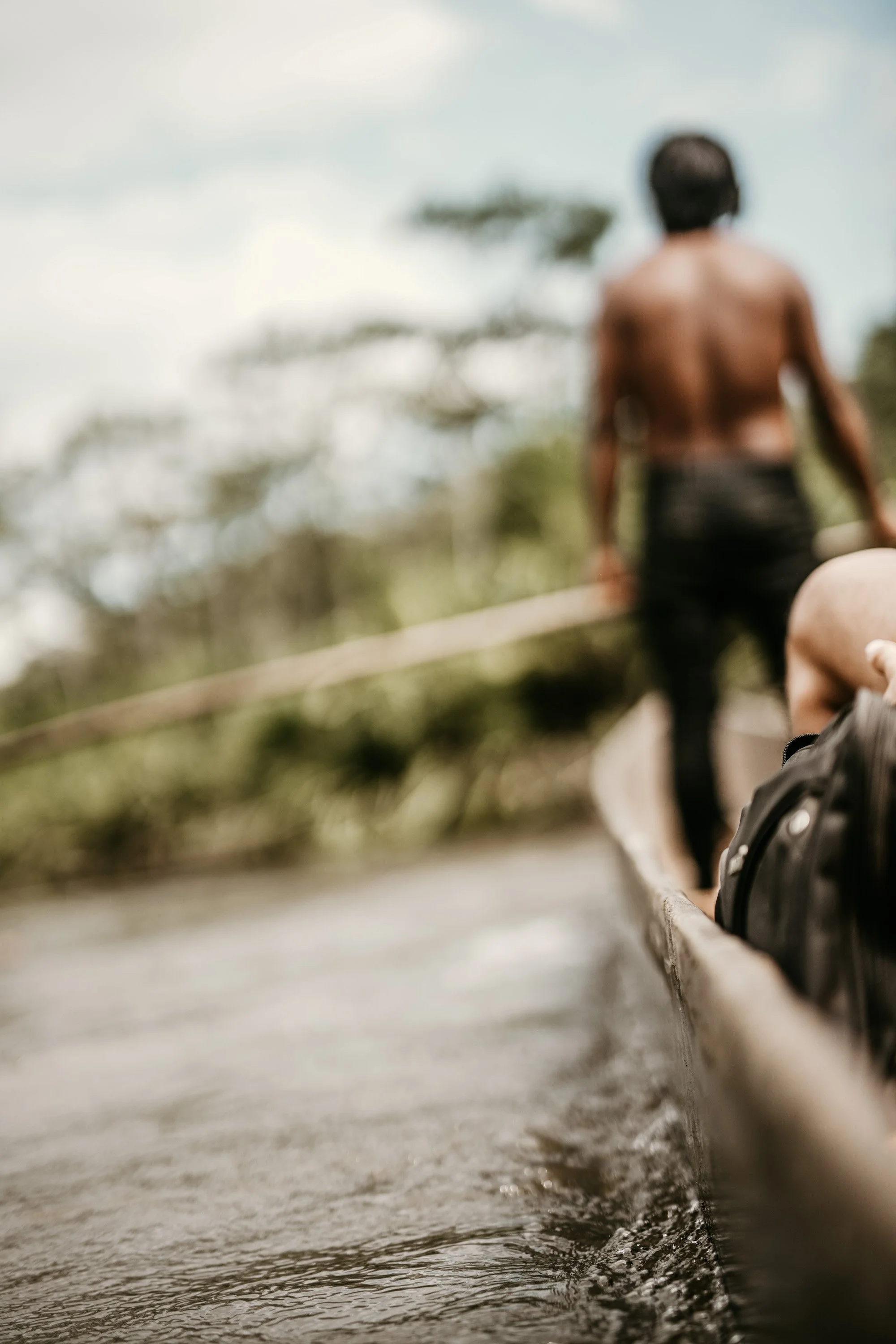
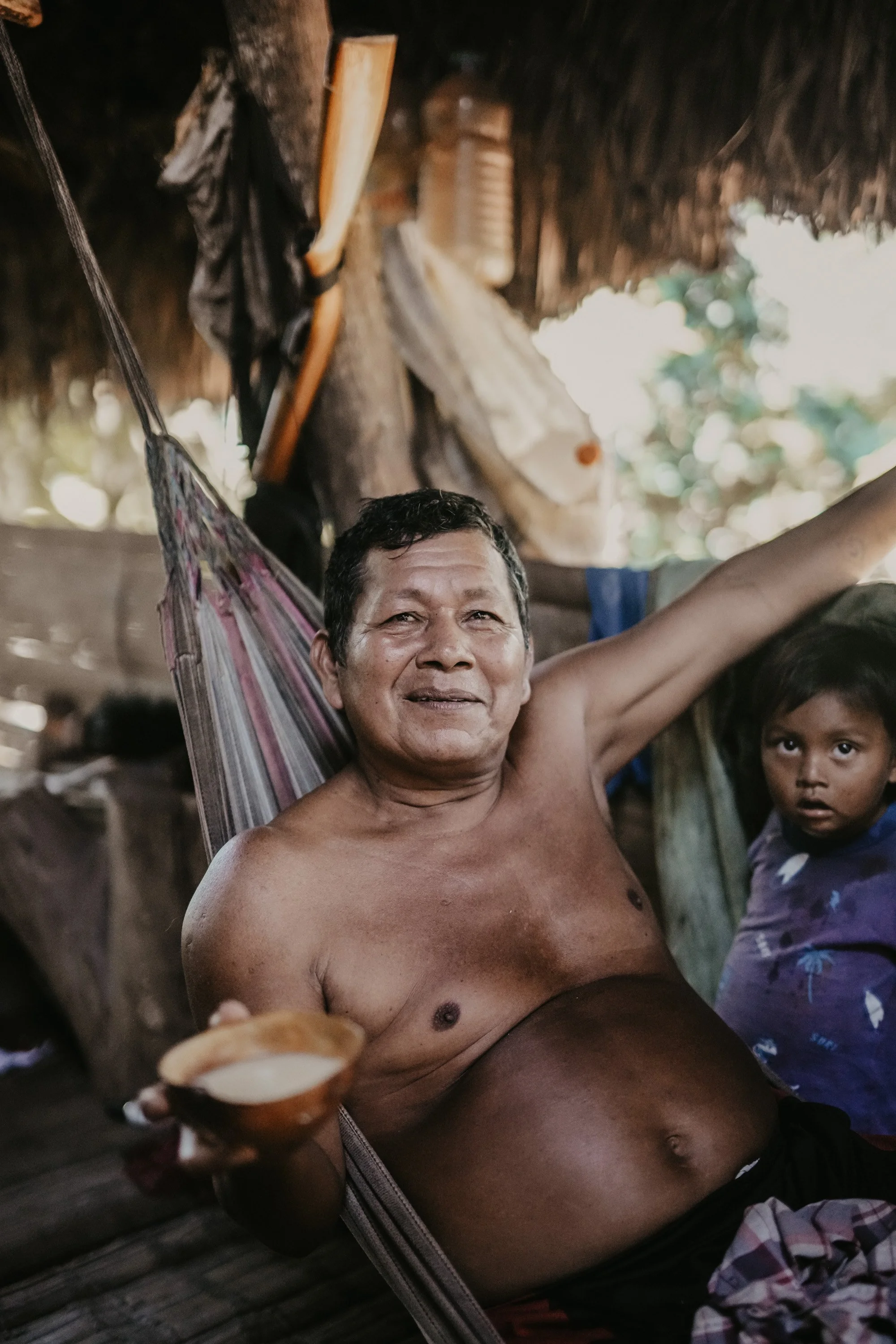
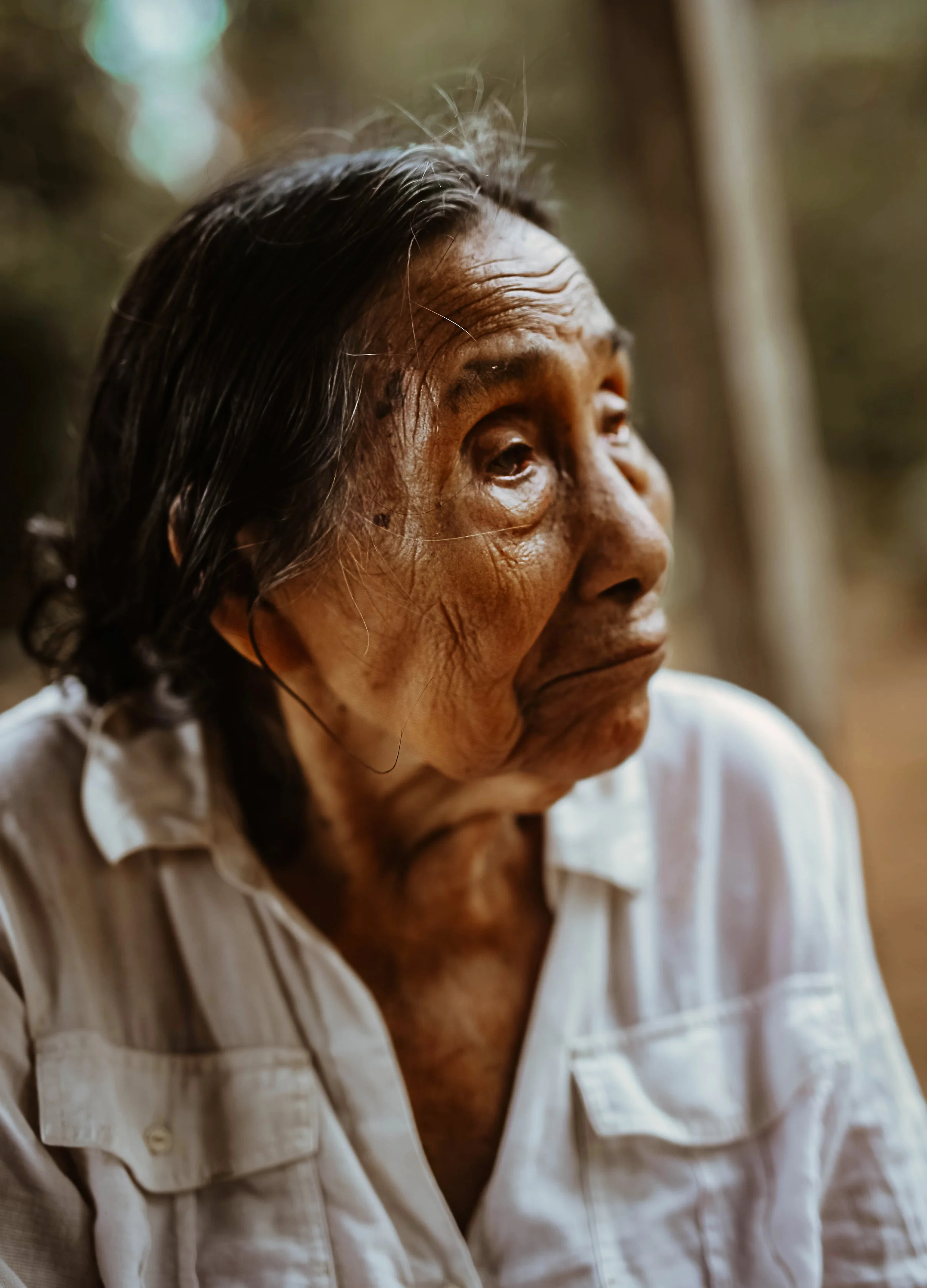
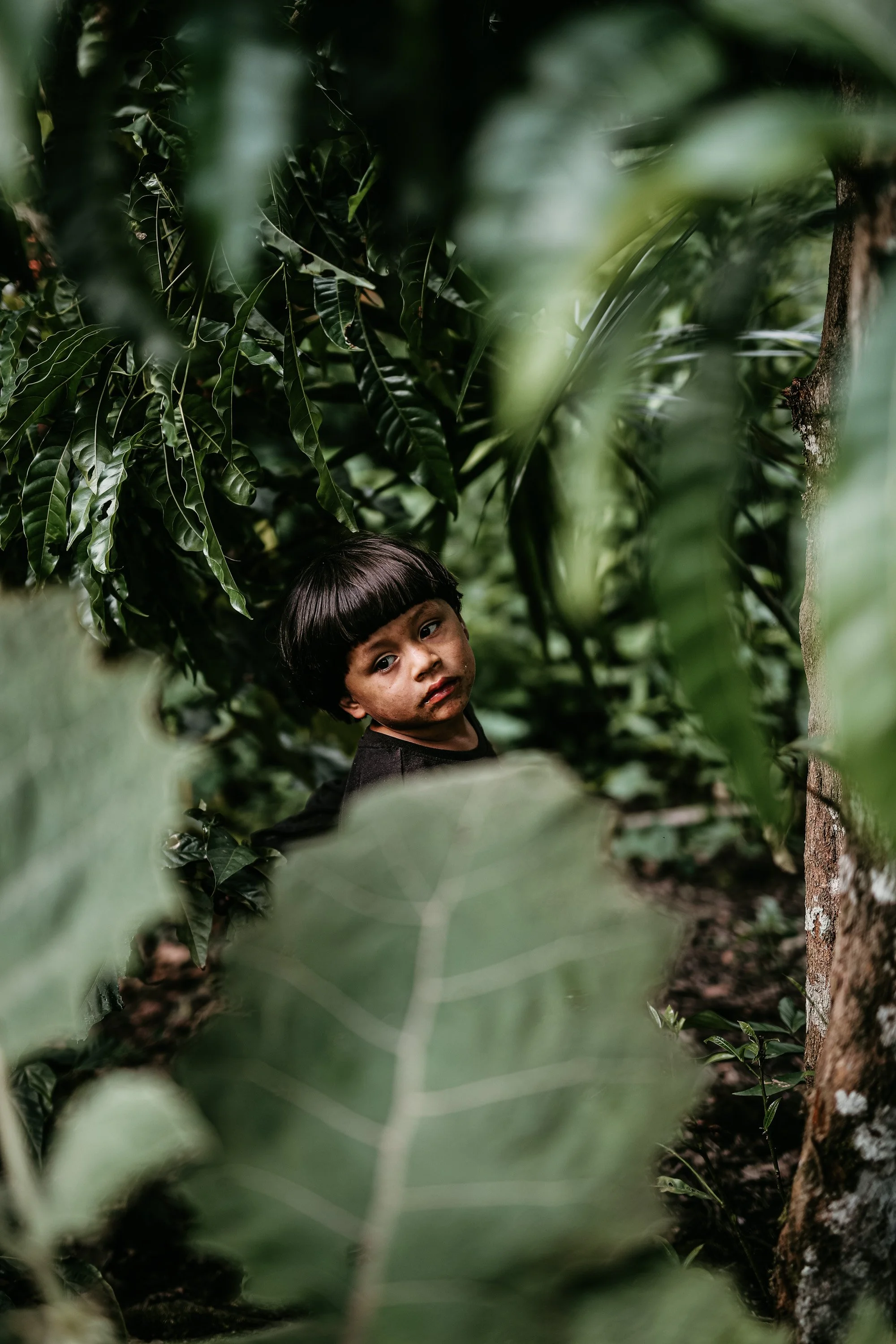
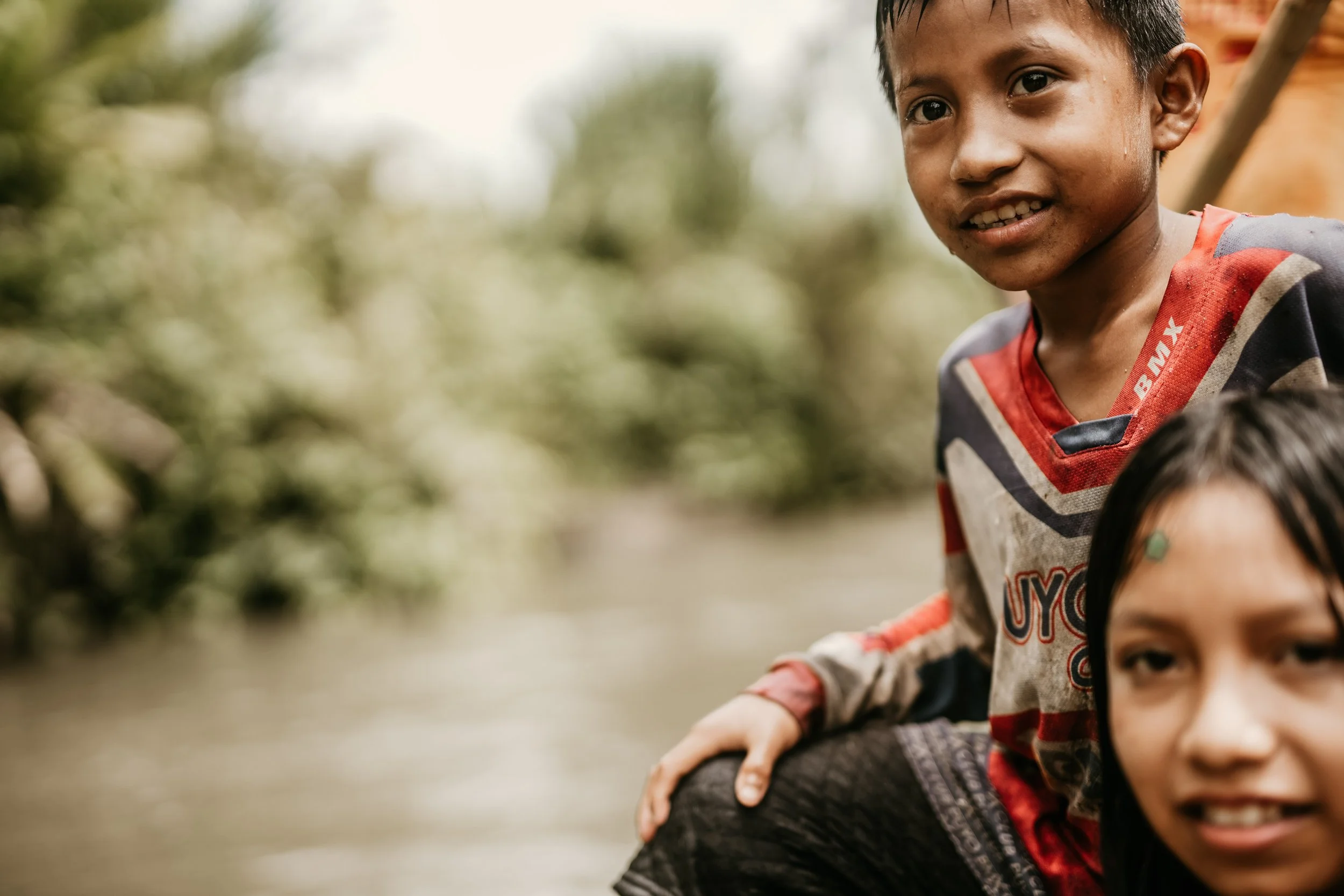
Antüpewma Rülkelme Mella approaches the camera as ceremony. Each portrait is an act of listening. Each landscape is a prayer. The llanchama bark cloth on which some of these images are printed is itself a living material — harvested from the forest, returned to it in form.
Photography as witness rather than extraction. Art as reciprocity rather than taking.

WITSAHA means thank you.
Every image in this series is an act of gratitude. To the Sapara people who allowed themselves to be seen. To the forest that held the camera alongside us. To the ancestors whose voices still move through the three elders who carry the language. To the land itself — 900,000 acres of primary rainforest still intact, still dreaming, still here.
Witsaha. For what remains. For what can still be protected.
About the work
Whispers of the Amazon is a photographic and storytelling project created in collaboration with Sapara leader Manari Ushigua and the Naku Foundation. Through large-format portraiture, oral history, environmental imagery, and immersive sound, the work documents the ancestral wisdom and climate resistance of the Sapara people of the Ecuadorian Amazon.
Presented as pigment prints on llanchama bark cloth, amate bark paper, and living leaves — with hand embroidery, weaving, and 23.75k gold leaf interventions — this series invites viewers to experience photography as ceremony. Each material is itself a messenger. The llanchama harvested from the forest. The amate bark carrying centuries of indigenous mark-making. The leaves still holding the memory of the tree.
An act of remembrance, reciprocity, and protection..
The installation integrates soundscapes and video created in collaboration with the Sapara Nation. Voices, dreams, and forest sounds expand the visual experience, transforming any space into an immersive environment where ceremony, ecology, and storytelling converge.
2024 — ongoing New Jersey, USA / Ecuadorian Amazon
Supported by the Naku Foundation In partnership with the Sapara Nation
For exhibition, licensing, and acquisition inquiries:dani@danimiranda.co